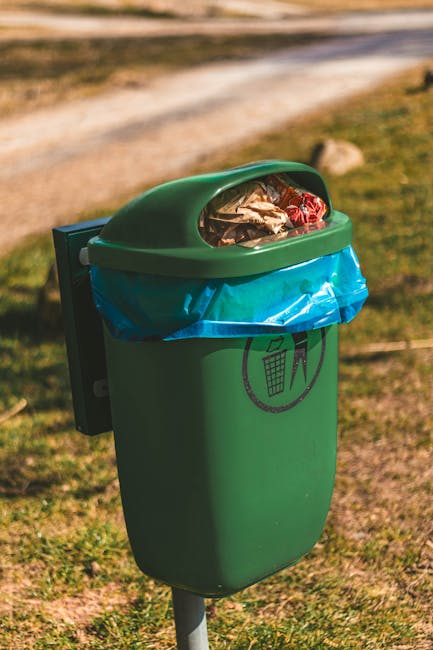
Painshill Park garden rubbish pickup tips for locals
If you live near Painshill Park, you already know how quickly garden waste builds up after a weekend tidy-up. One hedge cut, a couple of bags of leaves, maybe a stubborn pile of branches, and suddenly the car boot looks like a small green landfill. This guide to Painshill Park garden rubbish pickup tips for locals is here to make that process easier, cleaner, and a lot less stressful.
Whether you are clearing a front garden in Cobham, dealing with a bigger seasonal cutback, or just trying to get rid of a few awkward bits of green waste without making a mess, the basics are the same: sort it properly, store it safely, pick the right collection method, and avoid the common mistakes that cost time and money. To make things more useful, we will also touch on practical next steps like garden waste removal, house clearance support, and the kind of local planning that saves you a second trip in the rain. Let's keep it simple and useful.
Table of Contents
- Why Painshill Park garden rubbish pickup tips for locals Matters
- How Painshill Park garden rubbish pickup tips for locals Works
- Key Benefits and Practical Advantages
- Who This Is For and When It Makes Sense
- Step-by-Step Guidance
- Expert Tips for Better Results
- Common Mistakes to Avoid
- Tools, Resources and Recommendations
- Law, Compliance, Standards, or Best Practice
- Options, Methods, or Comparison Table
- Case Study or Real-World Example
- Practical Checklist
- Conclusion
- Frequently Asked Questions
Why Painshill Park garden rubbish pickup tips for locals Matters
Garden rubbish looks harmless until it starts blocking a path, attracting damp, or sitting in the corner of the drive for two weeks because nobody quite knows what to do with it. Near Painshill Park, where many homes have established gardens, hedges, lawns, and mature trees, waste tends to be seasonal and awkward. Spring cutbacks, summer pruning, autumn leaf fall, and winter clearance all create different kinds of waste. And each one needs a slightly different approach.
Good pickup habits matter for a few straightforward reasons. First, they keep your property tidy and safer to move around. Second, they stop garden waste from becoming mixed with general rubbish, which can make disposal more expensive or simply more difficult. Third, they reduce the chance of missed collections, fly-tipping, or soggy bags splitting before they reach the van. Honestly, nobody wants to lift a dripping bag of hedge trimmings at 7:30 on a wet Tuesday.
For local residents, the real value is convenience. If you know how to sort, bag, bundle, and hand over your garden waste properly, you can usually clear a space much faster and with less back-and-forth. That is especially useful if you are fitting the job around work, school runs, or a weekend that vanished faster than expected.
It also helps you make better choices about whether a small pickup, a larger clearance, or a mixed waste service is the right fit. That decision can be clearer than it first appears, once you know what you are dealing with.
How Painshill Park garden rubbish pickup tips for locals Works
In practical terms, garden rubbish pickup is about preparing green waste and related outdoor debris so it can be removed efficiently. For locals around Painshill Park, that usually means separating pure garden waste from anything else, putting it into manageable piles or containers, and arranging a pickup method that suits the amount and type of material.
The process generally follows a simple pattern:
- Identify the waste type. Leaves, grass cuttings, small branches, hedge trimmings, soil, plant pots, turf, and old garden furniture are not all handled the same way.
- Sort it before collection. Clean green waste is easier to remove than mixed rubbish. Removing plastic twine, broken pots, and general waste upfront makes life easier later.
- Package it properly. Some waste is best bagged, some is better bundled, and some should be left loose if the collection provider requests that.
- Place it accessibly. Most pickups go more smoothly when the waste is easy to reach without blocking the pavement, driveway, or shared entrance.
- Match the service to the load. A few bags of trimmings may suit a small collection. A full garden overhaul often needs a larger removal solution.
That sounds basic, and it is. But the small details matter. A branch tied too loosely can snag a sleeve. Wet grass in overfilled bags can split and spread everywhere. Soil mixed into green waste can make a load heavier than expected. Little things. Big annoyance.
If your waste is part of a wider clear-out, it can be sensible to combine the pickup with other disposal help, such as general rubbish removal or even a tidy-up before moving house. If you are dealing with a more complex job, a broader option like flat clearance can sometimes make more sense than handling items separately.
Key Benefits and Practical Advantages
There are several reasons locals choose a planned pickup rather than leaving garden waste to stack up until it becomes a nuisance. The benefits are not just about convenience; they also affect the look, safety, and pace of your project.
- Less clutter: The garden feels calmer and more usable once bags, branches, and prunings are gone.
- Better safety: Fewer trip hazards around paths, steps, sheds, and wheelie bins.
- Cleaner appearance: A tidy outdoor space makes a surprising difference, especially near the house or front boundary.
- Faster project completion: You are more likely to finish pruning or clearance in one go if the removal plan is ready.
- Less strain: Breaking down waste into manageable loads helps avoid multiple awkward lifts.
- Improved compliance: Keeping green waste separate helps you avoid accidental contamination with general rubbish.
There is also a practical money angle. When waste is sorted properly, collection is usually more efficient. No one likes paying for a bigger load than necessary because the soil, rubble, and clippings were all dumped together in one heap. To be fair, that happens a lot.
Expert summary: The simplest way to save time and hassle is to separate garden waste early, keep it dry where possible, and choose a pickup method that matches the real volume rather than the rough guess.
Who This Is For and When It Makes Sense
This advice is useful for a wide range of locals around Painshill Park, but it is especially relevant if your garden regularly produces waste that your normal household collection does not comfortably handle.
You may find it helpful if you are:
- doing a seasonal tidy-up in spring or autumn
- cutting back hedges, shrubs, or climbing plants
- removing lawn clippings after a heavy mow
- clearing dead plants, weeds, or old bedding plants
- preparing a garden for guests, photographs, or sale
- managing a bigger outdoor project after landscaping or repairs
- getting rid of mixed outdoor waste after a shed or patio clean-up
It also makes sense for people who simply do not have the time, vehicle space, or physical capacity to handle the waste themselves. Not everyone has a trailer, and not every Saturday should be spent wrestling thorny branches into a car that already smells faintly of compost.
If you are already looking at other clearing jobs, it can help to plan them together. A combined approach with garage clearance or office clearance can make sense if the property has both indoor and outdoor clutter to deal with in one visit.
Step-by-Step Guidance
Here is a clean, practical process you can follow without overthinking it.
1. Walk the garden and separate the waste
Do a slow lap of the garden before you touch anything. Identify what is green waste, what is mixed rubbish, and what might need special handling. A broken plant pot, for example, is not the same as hedge cuttings. Nor is an old parasol base, even if it has been hiding behind the compost bin for months.
2. Remove contaminants early
Pull out plastic ties, plant labels, string, metal fixings, and any general rubbish caught in the foliage. This step is dull but worthwhile. Clean loads are easier to shift, and the pickup process feels much smoother when the waste is not half garden and half random household debris.
3. Chop bulky items down
Large branches, old canes, and long hedge trimmings should be cut into manageable lengths where safe to do so. The aim is simple: reduce awkwardness. Smaller bundles are easier to carry, stack, and load. Wear gloves and use proper tools. Common sense, but worth saying.
4. Decide whether to bag, bundle, or stack
Different collection methods prefer different formats. Bags work well for leaves, grass, and lighter material. Bundles are often better for branches. Loose stacking can be useful for some pickups, but only if the provider is happy with that arrangement. If in doubt, ask before you set everything out. Saves the second guessing.
5. Keep the load dry if you can
Wet garden waste becomes heavier, messier, and more likely to split bags. If rain is forecast, cover the pile with a tarp or move it under shelter where possible. In the early morning, damp grass can smell earthy and fresh, but by the afternoon it is usually less charming and more slippery.
6. Place the waste where it can be collected safely
Put the material somewhere accessible without blocking driveways, footpaths, or shared access points. Good access means quicker collection and fewer delays. If you live on a narrow street or have limited frontage, it is worth thinking ahead about where the pickup vehicle can reach.
7. Confirm the pickup details
Before collection day, check what the service expects: weight limits, bag type, access instructions, and whether mixed waste is allowed. A quick confirmation can prevent the classic "oops, that item was not included" moment. We have all been there, or something like it.
8. Do a final sweep
After the waste is gone, check for loose twigs, soil patches, broken plant ties, and stray leaves near the path or driveway. A final five-minute sweep makes the whole effort feel finished, not half-done.
Expert Tips for Better Results
These are the sorts of small adjustments that make a big difference in real life, especially if you do garden clearances more than once a year.
- Use a wheelbarrow or tub from the start. It is easier than carrying armfuls back and forth across wet grass.
- Work from the furthest point back to the exit. That keeps the route clear as you go.
- Separate woody material from soft green waste. It helps you estimate volume better and keeps packaging simpler.
- Keep one "maybe" pile. If you are unsure about an item, set it aside and review it later rather than mixing it in by mistake.
- Don't overfill bags. Half-broken handles and spilled clippings are a nuisance no one needs.
- Plan for weather. A dry morning can turn damp by lunchtime. In Surrey, that happens quietly and often.
One practical tip many locals overlook: if you are pruning a hedge, cut and collect as you go instead of making one giant mess at the end. It is slightly slower in the moment, yes, but it is less chaotic and usually safer. Small rhythm, big payoff.
If you need ongoing support rather than a one-off pickup, a recurring or flexible arrangement through house clearance support or broader rubbish removal can simplify things over the season. That is often more useful than trying to solve everything with one oversized collection.
Common Mistakes to Avoid
Most garden waste problems are avoidable. The irritating part is that people usually discover the mistake only after the bags are already on the path.
- Mixing garden waste with general rubbish. This is one of the easiest ways to complicate pickup and raise disposal difficulty.
- Leaving waste exposed in bad weather. Wet waste is heavier and harder to handle.
- Using weak bags for sharp or bulky debris. Thin bags split. That part is not mysterious.
- Ignoring access needs. If the route is blocked by bins, bikes, or parked cars, collection becomes slower and sometimes impossible.
- Underestimating the volume. A small hedge can produce far more material than expected once cut down.
- Forgetting about thorny or spiky cuttings. Gloves matter. So do proper tools.
Another common issue is assuming that all outdoor waste is the same. It is not. Grass cuttings, branches, soil, turf, and plant pots all behave differently in a load. Soil especially can turn a light tidy-up into something heavier and messier than you planned. Truth be told, that catches people out a lot.
Tools, Resources and Recommendations
You do not need a van full of specialist kit, but a few simple tools make garden rubbish pickup far easier.
| Tool or item | Best use | Why it helps |
|---|---|---|
| Heavy-duty garden bags | Leaves, grass, light trimmings | Simple to carry and stack when not overfilled |
| Gloves | Prunings, brambles, rough debris | Protects hands from thorns, splinters, and dirt |
| Secateurs or loppers | Branches and long stems | Makes bulky waste more manageable |
| Wheelbarrow or garden tub | Moving material to the pickup point | Reduces strain and repeated lifting |
| Tarp or sheet cover | Protecting stacked waste | Helps keep loads dry and contained |
| Broom and dustpan | Final clean-up | Leaves paths and drives neat after collection |
For households that want an easier, fully handled option, a dedicated pickup service is often more efficient than borrowing tools and arranging disposal yourself. If you are also sorting out broader property waste, pages like mattress removal and end of tenancy clearance can help you see how different removal needs fit together.
It is also worth checking what local collection arrangements are available in your area and how your own council or service provider classifies green waste. The details can vary, so a quick check usually saves unnecessary rework later.
Law, Compliance, Standards, or Best Practice
Garden waste handling in the UK is usually straightforward, but there are still sensible standards to follow. The main principle is simple: dispose of waste responsibly, keep different waste streams separate where required, and do not leave material in a place where it creates a hazard or nuisance.
If you are arranging a pickup, make sure the provider is properly equipped and handles waste through the right channels. That matters because responsible waste handling is not just about tidiness; it also helps avoid issues linked to fly-tipping or poor disposal practices. If something sounds vague or too good to be true, it usually deserves a second look.
From a homeowner perspective, the best practice is to:
- keep green waste separate from household rubbish where practical
- avoid obstructing pavements, driveways, or shared access routes
- check what can and cannot be collected before booking
- use a reputable service with clear waste handling processes
- store waste safely so it does not become a slip, trip, or pest issue
If you are unsure whether a material is classed as garden waste, mixed waste, or something needing special attention, ask before pickup day. It is much easier to clarify early than to renegotiate the job at the kerbside while trying to keep the gate open and the dog inside. A tiny bit of planning goes a long way.
Options, Methods, or Comparison Table
There is no single right way to remove garden waste. The best option depends on volume, access, time, and how much lifting you want to do yourself.
| Method | Best for | Pros | Watch-outs |
|---|---|---|---|
| DIY disposal | Very small amounts | Low direct cost, simple for light loads | Time-consuming, transport needed, multiple trips |
| Local collection service | Routine green waste | Convenient, less lifting, predictable process | Needs proper sorting and access |
| Dedicated garden waste pickup | Seasonal clear-outs and heavier loads | Efficient, can handle larger volumes | May require accurate volume estimate |
| Mixed rubbish clearance | Outdoor waste mixed with other items | Useful for bigger tidy-ups | Usually more expensive than pure green waste removal |
For most locals, the decision comes down to one question: do you want to spend your time loading, driving, and unloading, or would you rather have the waste taken away in one planned visit? There is no wrong answer. Just a practical one.
Case Study or Real-World Example
Imagine a typical Saturday near Painshill Park. A homeowner trims back a mature laurel hedge, clears a patch of overgrown beds, and cuts down a few tired perennials that have finally given up after the cold snap. By lunchtime, there is a surprising amount of waste: soft clippings, a few thicker branches, dead leaves, and some old ties from last season.
At first, everything is dumped in one corner of the driveway. It looks fine enough. By late afternoon, though, the pile has spread slightly, one bag is damp, and the branch ends are snagging on the dustsheet. That is usually the moment when people realise the waste needs sorting before any pickup can happen.
The better approach is simple:
- bag the soft green waste separately
- bundle the woody cuttings
- remove the plastic ties and broken garden markers
- keep the pile dry under a tarp
- book a pickup that can handle the actual volume, not the guess
The result? The garden is tidy, the driveway stays usable, and there is no awkward Sunday afternoon with a trailer, three bin bags, and a strong sense of regret. A small win, but a proper one.
Practical Checklist
Use this checklist before your garden waste pickup. It is simple, but it catches most problems.
- Separated green waste from general rubbish
- Removed plastic, string, labels, and non-garden items
- Cut bulky branches down where safe
- Chose bags, bundles, or stacking based on the waste type
- Kept the load dry or covered
- Left clear access for collection
- Checked any service rules or restrictions in advance
- Prepared gloves, tools, and a broom for the final sweep
- Estimated the load realistically
- Confirmed collection time and contact details
If all ten are ticked, you are in good shape. If not, fix the gaps now. It is always easier before the waste is halfway down the drive.
Conclusion
Sorting out garden rubbish near Painshill Park does not need to be a big production. The best results usually come from a simple routine: separate the waste, package it properly, keep it accessible, and choose a pickup method that suits the amount you actually have. That is the heart of good local garden rubbish management, and it saves time every single season.
For locals, the real advantage is peace of mind. You get a cleaner garden, less clutter around the property, and fewer surprises when the collection day arrives. Once you have done it properly a couple of times, it becomes second nature. And that is the goal, really - less stress, fewer messes, and a garden that feels usable again.
If you are planning a tidy-up soon, this is a good moment to organise your waste early, compare your options, and choose the easiest route for your home and schedule. Small bit of effort now, much nicer weekend later.
Get a free quote today and see how much you can save.
Frequently Asked Questions
What counts as garden rubbish for pickup?
Garden rubbish usually includes grass cuttings, leaves, hedge trimmings, small branches, weeds, plants, and similar organic waste. Some services also take pots, turf, and mixed outdoor debris, but that depends on the provider, so it is worth checking first.
Can I mix garden waste with general household rubbish?
Usually, no. Mixing waste streams can make disposal more difficult and may change how the load is handled. Clean green waste is generally simpler and more efficient to collect than mixed rubbish.
How should I prepare garden waste for collection?
Separate the waste, remove plastic or metal contamination, cut bulky material down where safe, and place everything in the format your collection service prefers. Bags, bundles, and loose stacks are all common, but the right choice depends on the job.
Do I need to keep garden waste dry before pickup?
It is strongly helpful, yes. Wet waste is heavier and can split bags more easily. If rain is forecast, covering the pile with a tarp or placing it in a sheltered spot can make collection easier.
What if I have thorny branches or heavy cuttings?
Wear gloves and use proper cutting tools to reduce the size of the branches before collection. If the load is large, sharp, or awkward, a dedicated removal service may be more practical than trying to manage it yourself.
Is it cheaper to handle garden waste myself?
Sometimes, especially for very small loads. But once you factor in time, transport, fuel, and the hassle of multiple trips, a pickup service can be better value for larger or heavier clear-outs.
How do I know whether I need a garden waste pickup or a full rubbish clearance?
If the waste is mostly organic and from the garden, a garden waste pickup is usually the right fit. If you also have broken furniture, mixed junk, packaging, or shed contents, a broader rubbish clearance may be more suitable.
Can locals near Painshill Park book one-off collections?
Yes, one-off collections are often the easiest option for seasonal work or after a single big pruning job. They are useful when you do not need regular waste removal but want the job gone quickly and cleanly.
What are the biggest mistakes people make with garden rubbish pickup?
The most common mistakes are mixing waste types, overfilling bags, leaving access blocked, and underestimating how much material a pruning job will create. Those are the ones that cause delays and extra hassle.
Should I separate soil, turf, and plants?
Yes, if possible. Soil and turf are heavier than light green waste, and some collection methods treat them differently. Separating them helps you avoid surprises when the load is assessed.
How far in advance should I arrange a pickup?
As early as you can, especially during busy gardening periods in spring and autumn. Even a short lead time helps you prepare properly and avoids the rush of trying to tidy, sort, and book everything at once.
What is the simplest way to keep the garden tidy after collection?
Do a final sweep for stray cuttings, then keep a small area or container for future clippings so they do not spread across the garden again. A tidy storage habit makes the next round much easier. Little and often, that tends to work best.